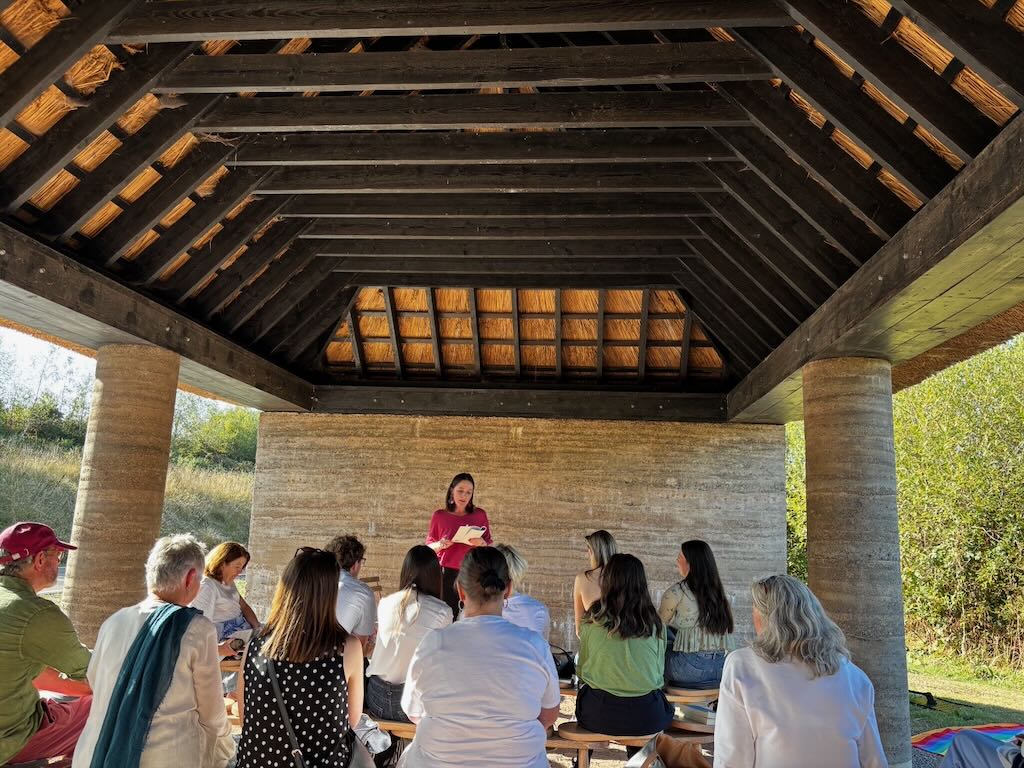
Based in a remediated former landfill transformed into a public amenity and wildlife habitat, KinShip encourages participants to think differently about their relationship with the natural world and the shared responsibility of caring for our environment. At the heart of the 2026 programme was the award-winning KinShip EcoLab, a hand-built rammed-earth and thatch structure that serves as a hub for eco-arts, citizen learning and environmental engagement. In 2026, programming was led by Nature Network Ireland, supporting the long-term sustainability of the initiative and strengthening community ownership of the space. Running from May to October, the programme Ireland brought together artists, environmental practitioners, community organisations and local residents through artist residencies, workshops, performances, talks and citizen-led events. Activities explored themes including biodiversity, climate resilience, sustainability, storytelling, listening, visual art and ecological awareness. Each activity encouraged participants to engage with creativity as a means of understanding place, while fostering dialogue, collaboration and learning across communities.
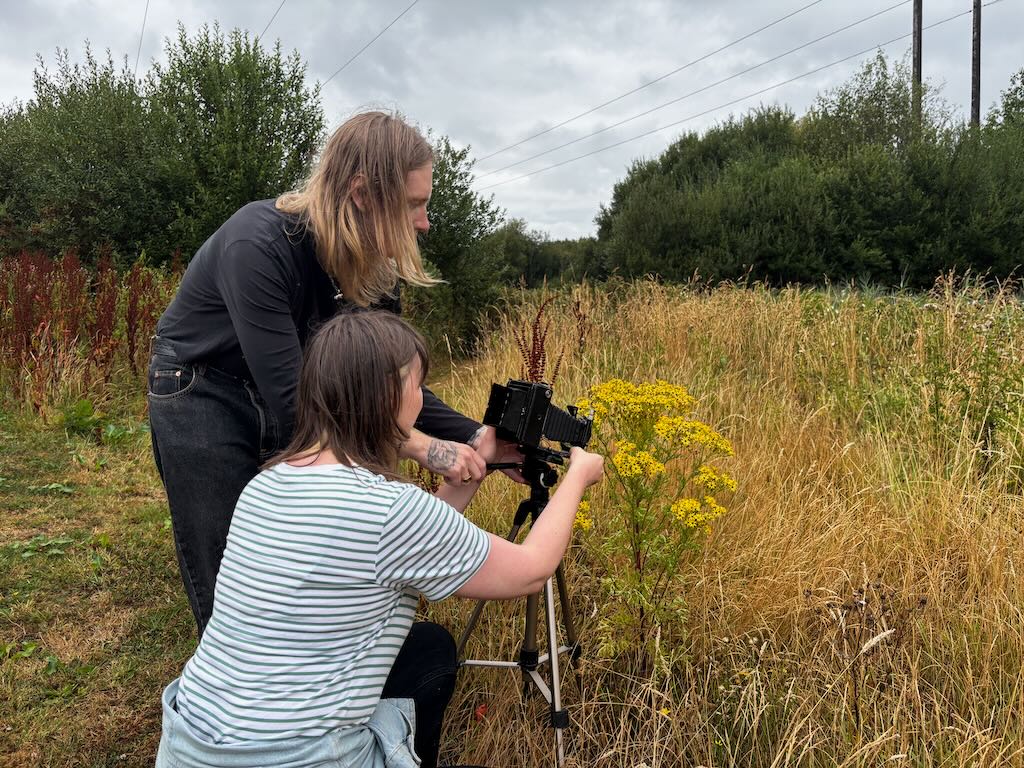
Three events in particular highlighted the breadth and ambition of the programme. Song Share brought musicians Leah Sohotra, The Bán(Sí), Muireann Lane and Imasha Costa together for an informal gathering at the EcoLab, where music, conversation and the surrounding landscape combined to create a unique shared experience. Love Songs for the Living World, a showcase from Channel Press, invited audiences to reflect on human relationships with landscape and other species through readings of contemporary ecological writing. The project also supported Slow Camera Exchange in a sustainable photography initiative led by artists Artem Trofimenko and Ashleigh Ellis, encouraging participants to explore slower, more environmentally conscious approaches to image-making while deepening their connection to the park.
Together, these events demonstrate the breadth of KinShip’s approach to cultural participation in the public realm. Music, writing and photography became different ways of encountering the same place, each creating opportunities to slow down, exchange knowledge and develop a deeper awareness of the relationships between human and more-than-human life.
The 2026 programme has also strengthened connections between artists, community participants, environmental organisations and local audiences, while continuing KinShip’s longer-term exploration of attention, creativity, ecological awareness and belonging in Tramore Valley Park. By bringing creative practice into a former landfill site that has become a public park and habitat, KinShip invites people to reconsider what a place can become, and what forms of relationship, care and stewardship might emerge through sustained creative engagement.